
Destination
Phuket Hidden Gems: Quiet Beaches, Old Town and the Traps That Cost Travellers Money
Phuket hidden gems 2026: quiet beaches, Old Phuket Town, Phang Nga Bay, the Similan season, the free TDAC and cheap airport transfers.…
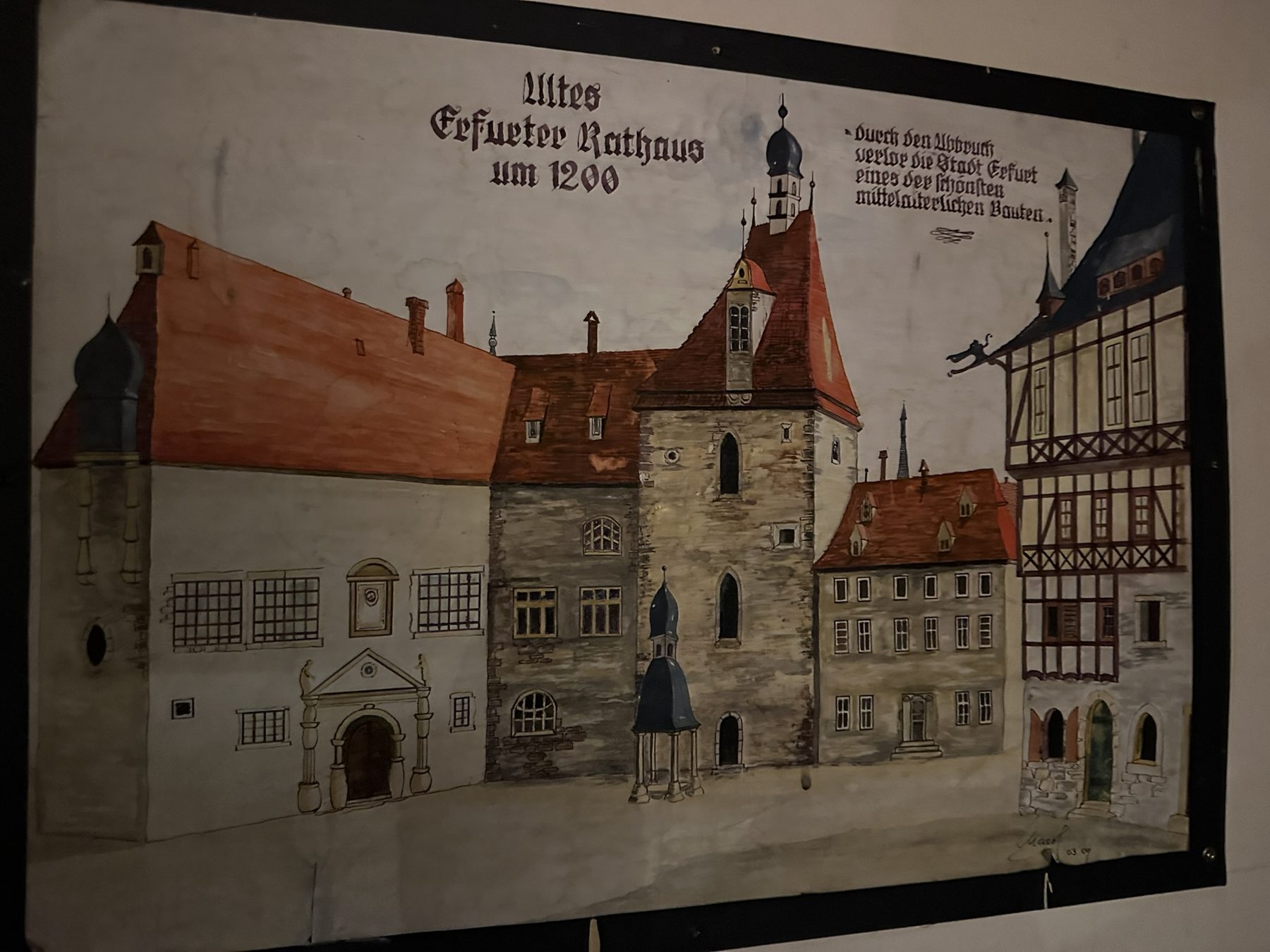
There are plenty of things to do in Erfurt – but not all of them are worth it. So here is our honest list: what we saw ourselves, how much time you should allow and what you can safely skip.
Erfurt is the capital of Thuringia in central Germany. Its old town is surprisingly compact and medieval in character. Almost everything is within walking distance. So it’s less about what to choose and more about order, pace and realistic expectations. This page is a factual selection with time needed, rough prices and an honest assessment – it isn’t a travel diary.
Distances are from Domplatz (Cathedral Square) and are rounded walking distances. All prices are guide values and may change. Check them on each venue’s official website before you go.
| Sight | Time needed | Entrance (approx., as of 2026) | Distance from Domplatz | Our verdict |
|---|---|---|---|---|
| Krämerbrücke | 30–60 min | free | approx. 700 m | worth it, but short |
| St Mary’s Cathedral & St Severus’ Church | 45–90 min | usually free or by donation, tours extra | on site | worth it |
| Fischmarkt & town hall | 20–40 min | square free, town hall interiors depending on opening | approx. 400 m | worth it |
| Old Synagogue & mikveh | 60–90 min | approx. €8–10 | approx. 600 m | very worthwhile |
| Petersberg Citadel | 1–2 hrs | grounds usually free, tours approx. €8–12 | approx. 300 m | worth it if you’re into history |
| Augustinian Monastery | 60–90 min | approx. €7–9 | approx. 800 m | only for Luther and church history |
| egapark | 2–4 hrs | approx. €10–14 | approx. 2.5 km | good with kids, seasonal |
| Avenida thermal spa, Hohenfelden | 3–5 hrs | approx. €20–35 depending on duration and day | approx. 20 km (car) | good as a relaxing day |
The Krämerbrücke is considered the longest continuously built-up and inhabited bridge in Europe. It’s about 120 metres long, with half-timbered houses on both sides. The houses hold small shops, workshops and galleries – and people still live there today.
Tip: go early in the day or in the late afternoon, when it’s quieter. Look at the bridge from the River Gera too, for example from the banks – you’ll understand how it’s built better from there than from the middle. The cobbles are uneven; it works with a pushchair, but you’ll have to push more slowly.
Honestly: if you expect a medieval spectacle, you’ll be disappointed. The bridge is part of the townscape and has no “attraction”. Some of the shops clearly target tourists. Look at the bridge, buy something if you like it, and move on.
The two churches stand side by side above Domplatz, separated only by a stretch of slope. Climbing the cathedral steps (about 70 of them) is part of the experience. Among the best-known details in the cathedral is the “Gloriosa” bell from the late 15th century, one of the largest medieval free-swinging bells in the world. Add to that choir stalls, stained-glass windows and sculptures.
Practical: churches aren’t museums. Services, rehearsals and events can restrict visits, so check current times before you go. For kids, 30 minutes inside is enough; after that they need to move again. The wide Domplatz is good for that – and during the Christmas markets in Advent it gets very busy.
The Fischmarkt is the historic centre of the city. The neo-Gothic town hall with its murals stands next to Renaissance houses. You can walk past the façades in 20 minutes. If you want to go inside, check beforehand when the town hall is open to visitors – it isn’t always accessible.
The Old Synagogue is one of the oldest surviving synagogue buildings in Europe. Together with the mikveh, Erfurt’s Jewish-medieval heritage has been a UNESCO World Heritage Site since 2023. Among other things, the exhibition shows the Erfurt Treasure. The visit is small but dense.
Tip: allow a bit more time than you think. The mikveh is in a different location and is often only accessible by appointment or at certain times. So check whether you can combine the visits and whether tickets need to be reserved.
The citadel is one of the best-preserved Baroque city fortresses in Central Europe. Up top there’s space, a view over the city and paths along the walls. You usually only see the interior, such as the underground passages, on a guided tour.
Honestly: without a tour the grounds quickly feel like a wide, quiet park. That’s fine for a walk, but not very exciting for kids. If you’re interested in fortress building or city history, the tour is worth it. Dogs are usually welcome on a lead outdoors; different rules often apply in buildings and on tours. Ask beforehand.
The egapark is a large garden park with playgrounds, themed gardens and greenhouses, about 2.5 km from the centre. For families it’s a real alternative to the cultural programme. Outside the flowering season and in bad weather, the greenhouses and play areas matter more than the flower beds. Check whether admission prices change with the season, and clarify the rules for dogs beforehand.
Martin Luther lived here as a monk. The monastery is interesting in terms of content, but closely tied to church history. For people without an interest in Luther, it’s an item you can drop without regret.
The spa is near Hohenfelden, about 20 km from Erfurt, and can be reached by car in about half an hour. By bus and train the journey is more awkward. It’s worth it as a counterbalance after a day on cobblestones, especially in rain or in winter. Admission and time slots depend on the day of the week, season and area. Expect about €20–35 per adult (as of 2026). Check age rules, children’s prices and sauna times beforehand on the official website.
With a dog: dogs generally stay outside at thermal spas. Arrange care or take turns looking after the dog.
This works well with kids if you plan breaks and playground time. With a dog, swap the spa for a long walk along the Gera or on the Petersberg.
Erfurt is in the middle of Germany and has good rail connections. The main station is about 10–15 minutes’ walk from the old town. From Austria it’s roughly 600–650 km by car, depending on where you start, so expect a good seven hours’ drive. A car is handy for the spa; in the city, walking plus the odd tram is enough.
EU citizens need a valid ID to enter Germany. For current information on travel documents and safety, check your government’s official travel advice.
Erfurt is a destination for a calm weekend, not a place for a packed schedule. The cathedral, the Fischmarkt, the Old Synagogue and the Krämerbrücke form the core. The citadel and the egapark are additions that should suit your pace. The Avenida spa rounds off the weekend if you have time and a car. Better to drop items than to tick everything off.
Our verdict on things to do in Erfurt: plan less and take your time for the places you really like. It also pays to visit the most famous sights early in the morning or in the evening, because it is quieter then. You’ll find more places we have been to ourselves on our destinations page; general background on the city’s history is on Wikipedia.
Passend dazu:
The most important are the Krämerbrücke, Cathedral Hill with St Mary’s Cathedral and St Severus’ Church, the Fischmarkt with the town hall, and the Old Synagogue with the mikveh (UNESCO World Heritage). Petersberg Citadel and the egapark are good additions.
One day is enough for the old town. With the citadel, the egapark or the spa, two days are more relaxed, especially with kids.
The Krämerbrücke, the Fischmarkt and Domplatz are free. Visiting the cathedral is usually free or by donation; tours cost extra. The Old Synagogue, the Augustinian Monastery, guided tours and the egapark are roughly €7–14 per person (as of 2026). Check current prices with the providers.
The Krämerbrücke is beautiful, but only about 120 m long and meant for half an hour. The citadel without a tour and the Augustinian Monastery without an interest in Luther are also skippable.
Yes – the old town is compact and largely pedestrianised. Dogs are usually allowed on a lead outdoors. Museums, churches, parks and spas have their own rules, so ask in advance. For kids, the egapark and the playgrounds around Domplatz are a good change.
The spa in Hohenfelden is about 20 km from Erfurt. By car it usually takes about half an hour. By public transport the journey is more awkward – check timetables in advance.
Don’t drive into the pedestrian zone; use a multi-storey car park on the edge of the old town, for example near Domplatz. Parking fees and availability vary, especially during Advent.
Last updated: 20 Oct 2026. Prices and rules change – please check with the official sources before you travel.
Ad: partner links – if you book through them, we earn a small commission and your price stays the same.
Phuket hidden gems 2026: quiet beaches, Old Phuket Town, Phang Nga Bay, the Similan season, the free TDAC and cheap airport transfers.…

Paris hidden gems 2026: 15 quiet spots, free museums, Seine swimming, airport taxi flat rates and the official ticket sites that save you mo…

Iceland in winter: aurora tips, ice caves, Secret Lagoon, Reynisfjara status 2026, winter tyres, parking fees and the official sites that sa…
We only use what is necessary to run this website. Everything else – such as statistics or content from third parties – only with your consent. You can change your choice at any time.