
Destination
Phuket Hidden Gems: Quiet Beaches, Old Town and the Traps That Cost Travellers Money
Phuket hidden gems 2026: quiet beaches, Old Phuket Town, Phang Nga Bay, the Similan season, the free TDAC and cheap airport transfers.…
There are countless things to do in Tokyo – but not all of them are worth it. So here is our honest list: what we saw ourselves, how much time you should allow and what you can safely skip.
The short answer
Tokyo is huge and really consists of many cities. If you try to see everything, you’ll spend your holiday on the subway. We were in Tokyo from 29 August to 2 September 2024, straight after five weeks in Thailand. After tuk-tuks, street kitchens and chaos, Japan was a culture shock in the other direction: quiet subways, punctual trains, no rubbish bins and yet no litter. Here you’ll find which places are worth it, how much time to allow and what you can skip. Our overall impression of the trip is in our story Japan: Tokyo and Osaka in ten days.
The table shows how much time to allow for each place and what to expect to pay. Prices are guide values (approx., as of 2026) and change, especially for observation decks with time slots. Check them on the official website before you go.
| Place | Location | Time needed | Entrance (approx., as of 2026) | Best time |
|---|---|---|---|---|
| Shibuya Crossing & Shibuya Sky | Shibuya Station | 1.5–3 hrs | crossing free; Shibuya Sky approx. 2,000–3,000 yen depending on the time slot | sunset, book tickets in advance |
| Shinjuku: Omoide Yokocho & Golden Gai | Shinjuku Station | 2–3 hrs | alleys free; drinks and snacks extra, Golden Gai often has a seat charge | evening |
| Sensō-ji in Asakusa | Asakusa Station | 1.5–2.5 hrs | temple grounds free | early morning |
| Akihabara | Akihabara Station | 2–4 hrs | free; arcades and shopping extra | afternoon to evening |
| An izakaya evening | in every district | 1.5–2 hrs | depends on what you order, usually cheaper than tourist restaurants | from early evening |
For four to five days, this is the split we have in mind. It works because you experience one district per day at your own pace instead of rushing across the city:
If you only have two days, do Asakusa in the morning, Shibuya at sunset and Shinjuku in the evening. You can drop Akihabara if electronics and anime don’t appeal to you.
The Shibuya Crossing is world-famous. Standing in the middle of it, though, you quickly realise that one photo and one or two crossings are enough. The better view is from above: Shibuya Sky is right by the station and shows the crossing and the city from a bird’s-eye view. Book your ticket in advance. The time slots around sunset are in demand and often sell out earlier than the rest of the day. The ticket costs more than a museum entry, so pick a slot in which you can really enjoy it. In clear weather it is far more worthwhile than in thick haze.
During the day Shinjuku is mainly a station and skyscrapers. In the evening the district shows its two faces. Omoide Yokocho is a set of narrow alleys full of small grill stalls where you eat skewers and drink beer. Golden Gai has tiny bars that seat about six guests. Every bar has its own style and its own regulars.
A typical mistake: walking into a bar without looking at the signs first. Some bars charge a seat fee, and some prefer to serve regulars. Ask briefly before you sit down, and move on if you don’t feel welcome. With kids, Golden Gai is not a place to linger – a short walk through the alleys is enough.
Sensō-ji is Tokyo’s oldest and best-known temple. There is no entrance fee for the grounds. The catch: during the day, groups crowd through the shopping street in front of it. If you come early in the morning, before the groups arrive, you’ll experience the temple much more calmly and can take photos in peace. The souvenir shops open later. If you want souvenirs, come back later anyway or wander through the side streets.
Akihabara is the district for electronics, anime and arcades. Multi-storey shops sell figures, games and accessories. Even if you don’t want to buy anything, a walk through the arcades is worth it to experience the sounds, the lights and the concentration of the players. Bring coins: many machines only accept yen coins or don’t work with IC cards, so carry some small change.
The underrated Tokyo tip: an izakaya, a Japanese pub with small dishes, beer and highballs. Office workers sit next to you after work. It’s cheaper and, in our view, better than any tourist restaurant. Order several small plates to share and look at what your neighbours are eating. In some places you have to take your shoes off. You can’t pay by card everywhere, so keep cash handy.
First things first: add a Suica card directly to Apple Wallet and top it up with a credit card. In Osaka the card is called ICOCA, but it works everywhere. You use it for the subway, buses and regional trains, and to pay at konbini (7-Eleven, Lawson, FamilyMart) and drinks machines. No buying tickets, no small change.
Japan relies on cash more than you might think. Small restaurants, shrines and machines often only take yen. The ATMs in 7-Eleven reliably accept foreign cards; we withdrew cash with our Wise card. In hotels, department stores and chains, cards work without any problems. More on cards and fees in our post on money abroad.
Tokyo combines well with Osaka and Kyoto. The table shows rough times and prices (approx., as of 2026):
| Route | Duration (approx.) | Cost (approx., as of 2026) | Note |
|---|---|---|---|
| Tokyo – Osaka by Shinkansen (Nozomi) | about 2.5 hrs | approx. 14,000–15,000 yen depending on seat type | ticket from a machine or via the SmartEX app, reserve a seat |
| Osaka – Kyoto | about 30 min | varies by train, payable with an IC card | good as a day trip |
| Fushimi Inari Shrine | 1.5–3 hrs on site | free | open around the clock |
The Nozomi gets you to Osaka in about two and a half hours. Buy your ticket from a machine or in the SmartEX app and reserve a seat. If you want to see Mount Fuji in clear weather, sit on the right-hand side when travelling towards Osaka. Since the price increase in 2023, the JR Pass is usually no longer worth it for a single route like this. Do the maths beforehand.
Osaka is louder, funnier and more down-to-earth than Tokyo. Its heart is Dōtonbori on the canal, with the Glico running man, the neon signs and the stalls selling takoyaki (batter balls with octopus) and okonomiyaki. Kuromon Market is worth it in the morning and Osaka Castle in the afternoon. For us, Osaka was the better base: cheaper than Tokyo and close to Kyoto and Nara. We were there from 3 to 7 September.
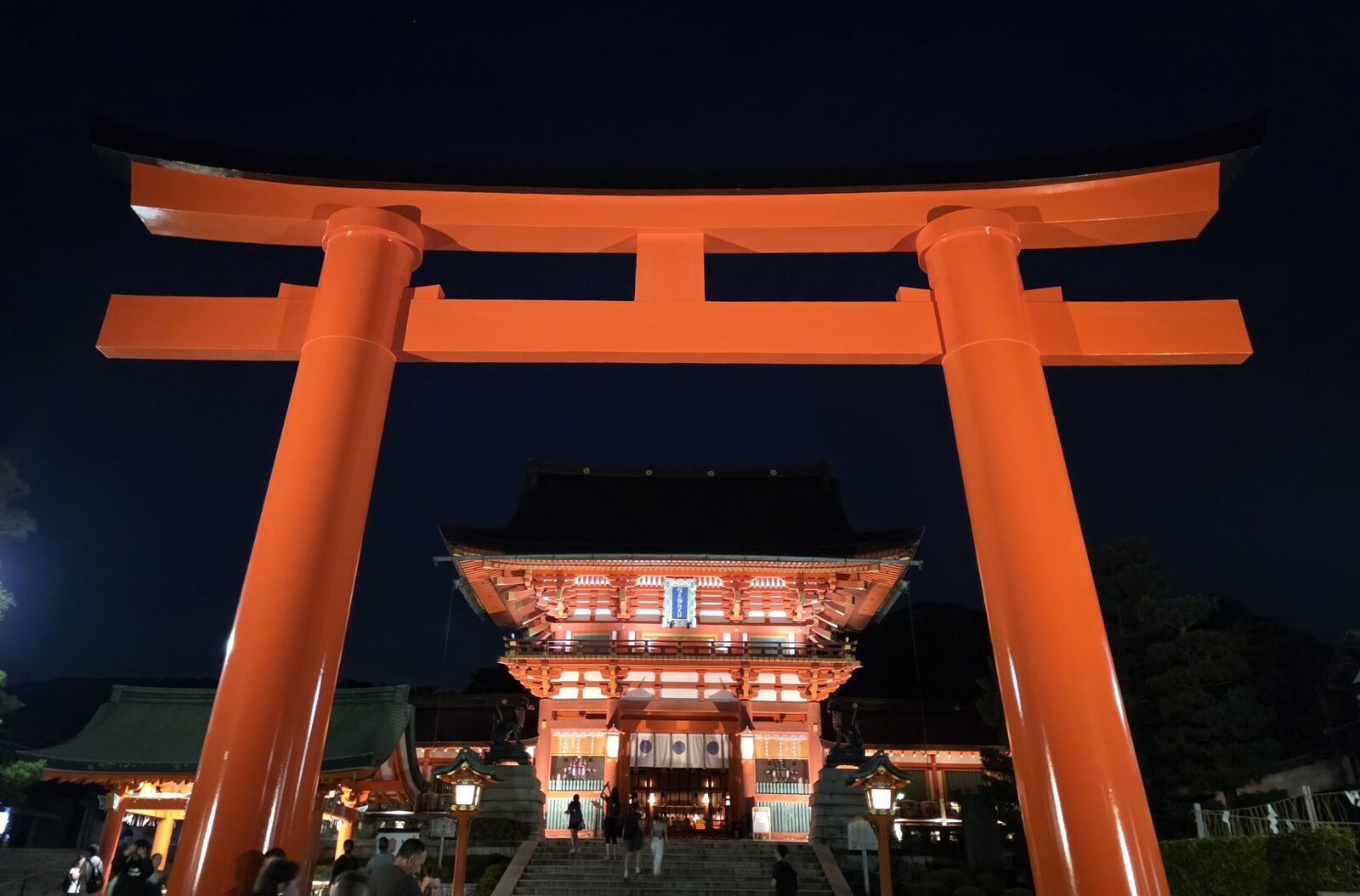
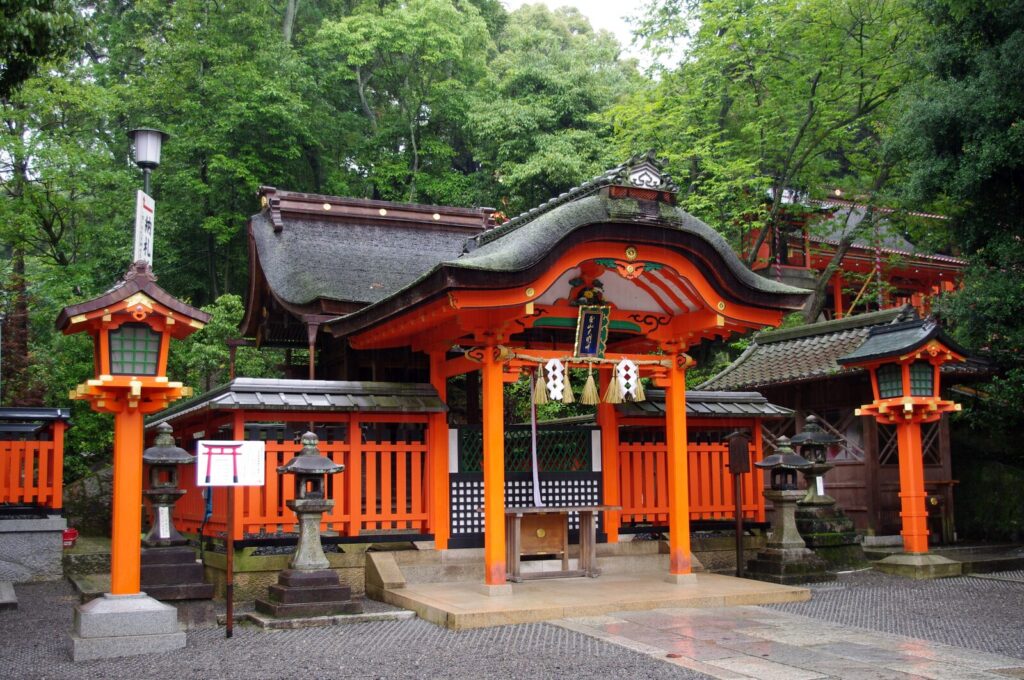
From Osaka it is about 30 minutes to Kyoto. The most famous spot is Fushimi Inari Shrine, with thousands of orange torii gates winding up the mountain. It is open around the clock and free. If you’re there at 7 am or come in the evening, you’ll have the gates almost to yourself. After the first half hour of climbing, the crowds thin out considerably anyway.
At the end of August and beginning of September it is hot, humid and typhoon season. Keep an eye on the weather app, because trains are suspended during storms. Plan outdoor activities like Asakusa for the early morning and save observation decks for days with clear views. Would we go again? Yes – but in spring or autumn, and with more time for Kyoto, Nara and the Japanese Alps.
Before you travel, check entry requirements, visa questions and current safety advice with your government’s official travel advice. This also applies if you want to bring pets – separate rules apply, which you should ask the official authorities about. Earthquakes and typhoons are a reality in Japan, so take a look at the official advice before your trip.
Tokyo rewards you if you take on one district per day: Asakusa early, Shibuya at sunset, Shinjuku and an izakaya in the evening, plus Akihabara for electronics and anime. Avoid the crowded times, book Shibuya Sky in advance and keep yen to hand. Ten days in Japan are enough for a first impression – and they will definitely leave you wanting more.
Our verdict on things to do in Tokyo: plan less and take your time for the places you really like. It also pays to visit the most famous sights early in the morning or in the evening, because it is quieter then. You’ll find more places we have been to ourselves in our travel stories; general background on the city’s history is on Wikipedia.
Passend dazu:
Four to five days are enough for a good first impression with Shibuya, Shinjuku, Asakusa and Akihabara. With two days you can cover Asakusa, Shibuya and Shinjuku.
The Shibuya Crossing on its own is quickly done – the view from above is better. Golden Gai is fun for a stroll, but as a night out it isn’t for everyone because of the tiny bars and possible seat charges.
Early in the morning, before the groups arrive. The grounds are free, but considerably busier during the day.
Yes, at least some. Small restaurants, shrines and machines often only take yen. ATMs in 7-Eleven reliably accept foreign cards. In hotels, department stores and chains, card payment usually works without problems.
Add a Suica card to Apple Wallet and top it up with a credit card. You can use it on the subway, buses and regional trains and to pay at konbini and drinks machines – no tickets or small change needed.
Since the price increase in 2023, usually not for a single route like Tokyo–Osaka. Do the maths beforehand and compare it with a single ticket from the machine or the SmartEX app.
Spring and autumn are more pleasant. At the end of August and beginning of September it is hot, humid and typhoon season, and trains are suspended during storms.
Last updated: 20 Oct 2026. Prices and rules change – please check with the official sources before you travel.
Ad: partner links – if you book through them, we earn a small commission and your price stays the same.
Phuket hidden gems 2026: quiet beaches, Old Phuket Town, Phang Nga Bay, the Similan season, the free TDAC and cheap airport transfers.…

Paris hidden gems 2026: 15 quiet spots, free museums, Seine swimming, airport taxi flat rates and the official ticket sites that save you mo…

Iceland in winter: aurora tips, ice caves, Secret Lagoon, Reynisfjara status 2026, winter tyres, parking fees and the official sites that sa…
We only use what is necessary to run this website. Everything else – such as statistics or content from third parties – only with your consent. You can change your choice at any time.