Money abroad: Wise, cash, ATMs – and how a card saved us in Bali
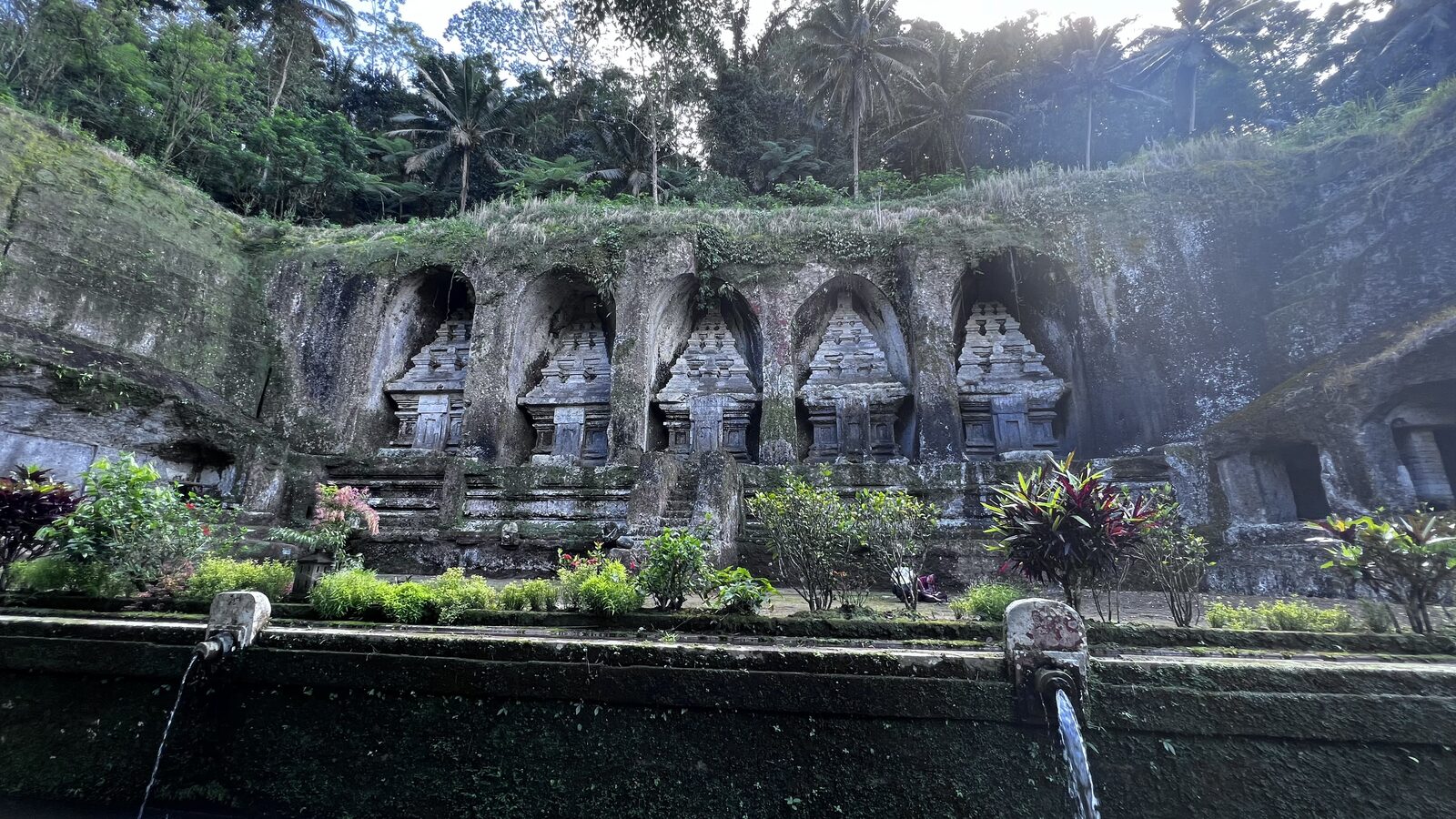
Money abroad was a nuisance for us for a long time – until one day at Bali airport when our home bank’s card was simply blocked.

Bali, the airport, leaving the country. We had overstayed our visa – just a few days, but in Indonesia every day costs a fine, payable immediately, in cash or by card, otherwise no flight. The credit card from our home bank: blocked for “suspicious use abroad”. The Wise card: money moved from the euro account into rupiah in seconds, paid, through. Since that day Wise has been our main card, both for travelling and for our business.
What Wise does differently
- The real exchange rate (the one you see on Google), no hidden 2–4 % mark-up like bank cards
- Accounts in 40+ currencies: you hold dollars, baht, reais, złoty and pay locally without conversion
- Transfers in seconds, worldwide, at very low fees – including business payments to suppliers abroad
- No per-transaction booking fees on the business account – for us as a company with lots of foreign payments, the biggest difference
- The card is accepted worldwide, Apple Pay/Google Pay included, and you can withdraw cash at any ATM (according to Wise up to €250 a month free, then a percentage fee – as of 2026)
Business and personal – and why not Revolut
We use Wise twice: as a personal account when travelling and as a business account for our companies – paying invoices in dollars, baht or reais, paying suppliers worldwide in seconds, without per-transaction fees. We have Revolut too; it doesn’t come close to Wise – not on the weekend exchange rate, not on the local-currency accounts and not on the business account.
Our rules
- Always pay in the local currency at the terminal, never “in EUR” – the merchant’s conversion is always worse.
- Use banks’ ATMs, not Euronet/Travelex machines in shopping centres.
- Carry two cards from different providers. At some point one will get blocked.
- A few hundred euros’ worth of cash in dollars for visas on arrival, taxis and emergencies.
Opening an account
With our invitation link you get your first transfer up to a certain amount free of fees or the card for free as a new customer – and we get a small bonus. It costs you nothing extra.
Money abroad: cash, ATMs and card fees
The most expensive trap abroad is dynamic currency conversion: the terminal or ATM asks whether you want to pay “in euros” and then converts at a poor rate. So our rule stays the same: always pay and withdraw in local currency. According to Wise's help page (as of 2026), you can withdraw up to €250 per month free of charge, above that a percentage fee applies. On top of that some ATM operators charge their own fees – in Thailand for example 220 baht per withdrawal – so there we withdraw larger amounts less often.
How much cash you need depends heavily on the country. In Scandinavia, the UK or the USA you pay almost everything by card or phone, while in Thailand, Indonesia or at markets in Morocco little works without cash. In Brazil a lot runs on Pix, which we could use with Wise via QR code.
| Country | Card | Cash important for |
|---|---|---|
| USA, UK | almost everywhere | occasional tips |
| Thailand | hotels, larger shops | longtail boats, markets, scooter rental |
| Brazil | almost everywhere, plus Pix | small beach vendors |
| Serbia | mostly | parking meters, small restaurants |
Money abroad: frequently asked questions
Should I pay in euros or local currency at the terminal?
Always in local currency. If you choose euros, the merchant or ATM converts at its own, worse rate.
How much can I withdraw with Wise for free?
According to Wise's help page (as of 2026), up to €250 per month. Above that a percentage fee applies, and some ATM operators charge their own fees on top.
How much cash should you take?
A few hundred euros or dollars as a reserve for emergencies, taxis and visas on arrival. Withdraw the rest in local currency from a big bank's ATM.
Why two cards?
Because cards can be blocked abroad – exactly what happened to us in Bali. A second card from a different provider then saves the trip.
Where should I not exchange money?
At the airport and at exchange offices in tourist areas. The rates there are almost always much worse than at a bank ATM.
Facts as of 25.10.2026 – prices and rules can change, so check the official sources named above before you travel.
Passend dazu:
Money abroad: our verdict
Our verdict on money abroad: a card with the real exchange rate, a little cash in reserve, and never change money at the airport. A second card from a different bank also helps, so you’re not stranded if one gets blocked. How we get internet on the road is in Starlink on the road; general information on using ATMs abroad is on Wikipedia.
Planning your trip?
Ad: partner links – if you book through them, we earn a small commission and your price stays the same.