Destination
Phuket Hidden Gems: Quiet Beaches, Old Town and the Traps That Cost Travellers Money
Phuket hidden gems 2026: quiet beaches, Old Phuket Town, Phang Nga Bay, the Similan season, the free TDAC and cheap airport transfers.…
Short answer: Iceland in winter is worth it above all for northern lights, ice caves, hot springs and empty landscapes. The dark months from roughly September to April are aurora season; in December Reykjavík gets only about 4.5 to 5 hours of daylight. Ice caves in Vatnajökull run from about mid-November to mid-March – guided tours only. If you drive yourself, your rental car comes with winter tyres (mandatory in Iceland from 1 November to 15 April); check road.is and safetravel.is every morning and plan short stages. The biggest trap in 2026: the black beach Reynisfjara – after a landslide and erosion in February 2026 mostly accessible only from the upper viewing areas.
There is a moment hardly anyone forgets. You are standing somewhere in the dark, your breath steaming, the snow crunching – and suddenly a pale veil drifts across the sky. At first you think it is a cloud. Then it turns green, starts to dance, and for a few minutes you forget that you are cold.
We know that feeling from Norway. On the Lofoten Islands we had northern lights almost every evening, usually between 6 and 9 pm. In Tromsø, hardly any – there we drove around other places for more than two hours searching. That experience is exactly why we wrote this Iceland winter guide the way we did: the aurora is not luck, it is planning. And in winter Iceland is one of the most beautiful countries in Europe to make that planning pay off.
Here you’ll find the places that are truly worth it in winter, the hidden gems away from the coaches, the traps that cost money and nerves – and the official websites that explain the island for free.
Iceland in winter means little light and lots of atmosphere. In December the sun rises in Reykjavík only around 11 am and sets at about 3:45 pm – roughly 4.5 to 5 hours of daylight. In January the day grows from about 4.5 to around 7 hours. From February and March the days get noticeably longer, while the nights stay dark enough for the aurora.
| Month | Daylight Reykjavík (approx.) | Good for |
|---|---|---|
| November | decreasing, about 8 → 5 hrs | aurora, start of ice-cave season (approx. mid-Nov) |
| December | about 5 → 4.5 hrs | longest nights, Advent in Reykjavík |
| January | about 4.5 → 7 hrs | aurora, ice caves, snowy landscapes |
| February | clearly increasing | more driving time in daylight, ice caves |
| March | day and night almost equal | end of ice-cave season (approx. mid-March), still aurora |
Our recommendation: If it is your first time and you are driving yourself, February or March is more relaxed – more light for driving, yet dark nights. If you want the full deep-winter feeling, go in December or January.
The aurora depends on two things: solar activity and a clear sky. The second one is often the problem in Iceland. That is why the most important website of your trip is free: the aurora forecast of the Icelandic Met Office at vedur.is. It shows cloud cover as a map – white areas are clouds, clear areas are your chance.
Þingvellir National Park is about 45 minutes’ drive from Reykjavík. Here the North American and Eurasian plates meet – you literally walk through a rift between two continents. In winter, when the low light turns the rock walls pink, the place is almost silent. Parking costs 1,000 ISK for a standard car and is valid all day in car parks P1, P2 and P5 – pay at the machines or online via the park’s official payment route.
The Golden Circle is no secret, but in winter it is a different experience: Gullfoss half frozen, steam over the geothermal field at Geysir. Our trick: be there before 10 am, while the coaches from Reykjavík are still on the road – you get the dawn and have the places almost to yourself.
The Secret Lagoon (Gamla Laugin) in Flúðir is close to the Golden Circle and open all year. Naturally warm water, steam in the cold air, small geysers around it – more authentic and quieter than the famous lagoons. Check opening hours and tickets directly on the official site.
Seljalandsfoss and Skógafoss are framed by ice in winter. The path behind Seljalandsfoss is often closed or dangerous when icy – shoe spikes are worth their weight in gold here. A few steps further is Gljúfrabúi, a waterfall hidden in a gorge that many people miss.
The black beach near Vík is one of Iceland’s best-known images – and one of its most dangerous places. So-called sneaker waves suddenly surge far up the beach. In February 2026 a landslide beneath Reynisfjall mountain brought debris onto the beach and erosion stripped away sand; the sea now reaches the basalt columns. Visitors are mostly directed to the upper viewing areas. There is a warning system at the entrance: yellow means stay at least 30 metres from the water, red means the beach is closed. Check the live map on safetravel.is before you go.
The Jökulsárlón glacier lagoon is about five hours’ drive from Reykjavík – too far for a winter day trip. Plan at least one night in the area. On Diamond Beach opposite, chunks of ice lie like glass on black sand. At sunrise (late morning in winter) they glow blue and gold.
The blue ice caves form anew every winter. According to the Vatnajökull region, the season runs from about mid-November to mid-March, depending on the weather. Never go in alone – only local guides know which caves are stable. Tours usually start near Jökulsárlón; book early because groups are small: see ice cave tours.
The Snæfellsnes peninsula is often called “Iceland in miniature”: lava fields, fishing villages, beaches and Kirkjufell mountain with its waterfall. At about 2.5 hours from Reykjavík it is a good plan B in winter when the south coast is stormy – and a strong aurora spot because there is little light pollution.
The Reykjanes peninsula has seen several eruptions since 2021. According to a status update from March 2026, no eruption was active, the Blue Lagoon was open and Keflavík airport operating normally – but a new eruption is considered possible at any time. Check the Icelandic authorities’ advice before you travel. As an alternative to the Blue Lagoon, Reykjavík has the Sky Lagoon overlooking the Atlantic – book both via the official website with a time slot, not through resellers.
You land at Keflavík airport, about 50 kilometres from Reykjavík. Airport buses run into the city – or you pick up your rental car straight away.
Planning an aurora trip? There is no Frangipani guide for Iceland yet – but our Norway winter guide (Lofoten, Alta, Tromsø) shows you from our own experience where the northern lights really appear, which tours are worth it and where you save yourself the expensive detour. Honestly: exactly this planning would have saved us hours in the car around Tromsø. See all guides.
For your winter trip to Iceland
Ad: affiliate links – if you book or buy through them, we earn a small commission at no extra cost to you. As an Amazon Associate we earn from qualifying purchases.
Passend dazu:
Yes, if you are after northern lights, ice caves, hot springs and quiet landscapes. Expect little daylight and changeable weather, and plan flexibly.
In the dark months from roughly September to April, with clear skies and enough solar activity. The cloud-cover map on vedur.is is the most important tool.
In Reykjavík about 4.5 to 5 hours – sunrise around 11 am, sunset at about 3:45 pm.
From about mid-November to mid-March, depending on the weather, and only on a guided tour.
Yes, with winter tyres (mandatory from 1 November to 15 April), preferably 4×4, and a daily check of road.is and safetravel.is. F-roads are closed in winter.
After a landslide and erosion in February 2026, visitors are mostly directed to the upper viewing areas. A traffic-light system at the entrance shows the hazard level; check safetravel.is beforehand.
1,000 ISK for a car with up to 5 seats, 1,200 ISK for 6–9 seats; valid all day in car parks P1, P2 and P5.
According to the March 2026 status it was open. Because new eruptions on Reykjanes are possible, check the official advice shortly before your trip.
Related: Norway in winter: Lofoten, Alta, Tromsø · Finland in winter: Lapland & Rovaniemi · Lofoten: things to do · Rental car or motorbike · All destinations
Sources (accessed 29.10.2026): Þingvellir National Park – Parking Service (thingvellir.is); Visit Vatnajökull – Ice-cave season (visitvatnajokull.is); Iceland Tours – Daylight hours in Iceland (icelandtours.is); Icelandic Met Office – Aurora forecast (vedur.is); Icelandia – Volcano eruption updates, status 02.03.2026 (icelandia.com); LatestLY – Reynisfjara 2026 (February 2026); Blue Car Rental – Snow tires in Iceland (bluecarrental.is); Fun Iceland – Secret Lagoon (funiceland.is); Safetravel Iceland (safetravel.is); Vegagerðin (road.is).
Phuket hidden gems 2026: quiet beaches, Old Phuket Town, Phang Nga Bay, the Similan season, the free TDAC and cheap airport transfers.…

Paris hidden gems 2026: 15 quiet spots, free museums, Seine swimming, airport taxi flat rates and the official ticket sites that save you mo…
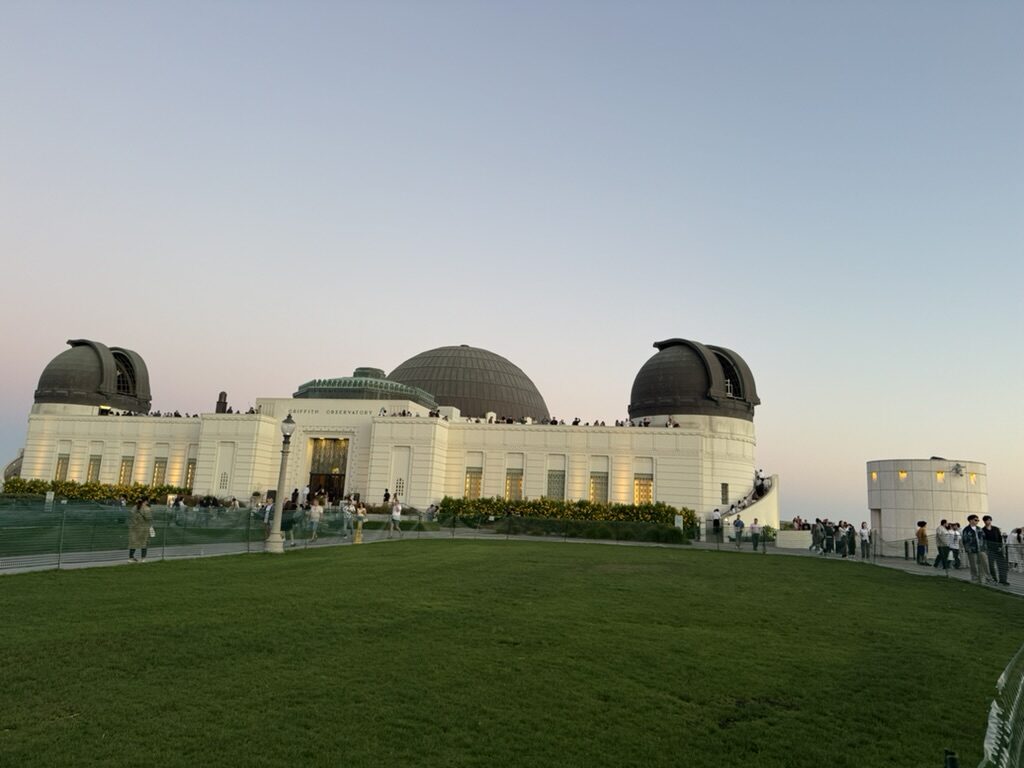
LA is not a city but a motorway with a city around it. How we spent a week with a camper, a rental car and too many sunsets.…
We only use what is necessary to run this website. Everything else – such as statistics or content from third parties – only with your consent. You can change your choice at any time.