Travel tips
Bangkok in the Rainy Season: Months, Day Plan, Prices – What Really Happens
Bangkok rainy season May–October: wettest month September (336 mm), usually 1–2 h of afternoon rain. Climate table, day plan, transport, den…
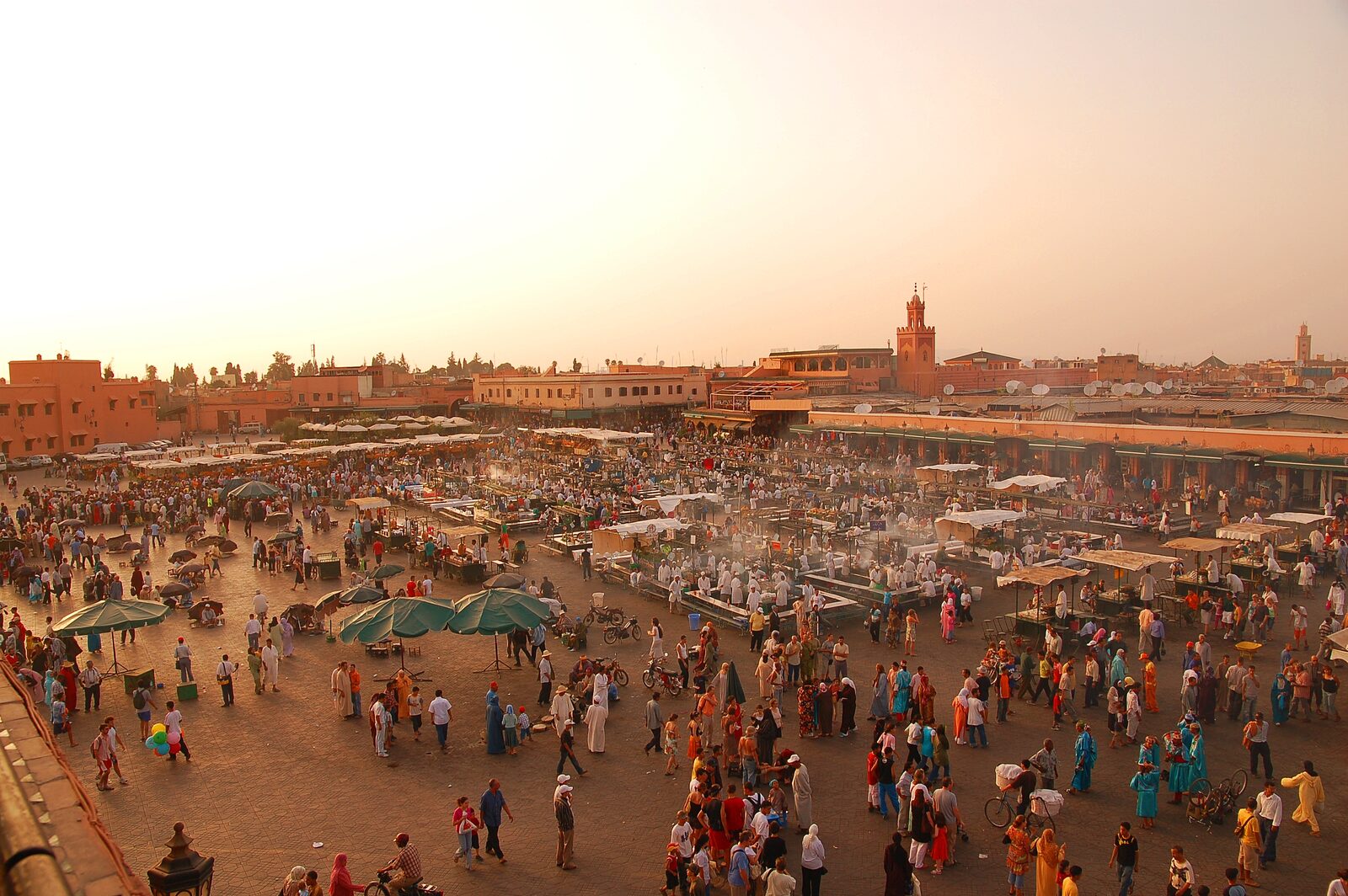
Short answer: The best time to visit Morocco for a round trip is March to May and mid-September to November: average daytime highs in Marrakech are then 23–29 °C, nights are mild, and the desert and Atlas are comfortable. July and August are hot inland (Marrakech averages above 37 °C), while the Atlantic coast in Essaouira or Agadir stays pleasantly fresh. December to February is great for the coast and cities in sunshine, but nights in the desert and mountains are cold and the High Atlas often has snow. Ramadan 2027 is expected to begin around 8 February 2027 according to astronomical projections – travel is fine, but daily life changes.
Morocco dresses differently every month. In April the gardens of Marrakech smell of orange blossom, in May roses colour the valleys south of the Atlas, in August half of Marrakech escapes to the windy Atlantic coast, and in January the peaks of the High Atlas stand snow-white above red mud-brick villages. Pick the right time and you don’t just see “Morocco” – you see exactly the Morocco you dreamed of.
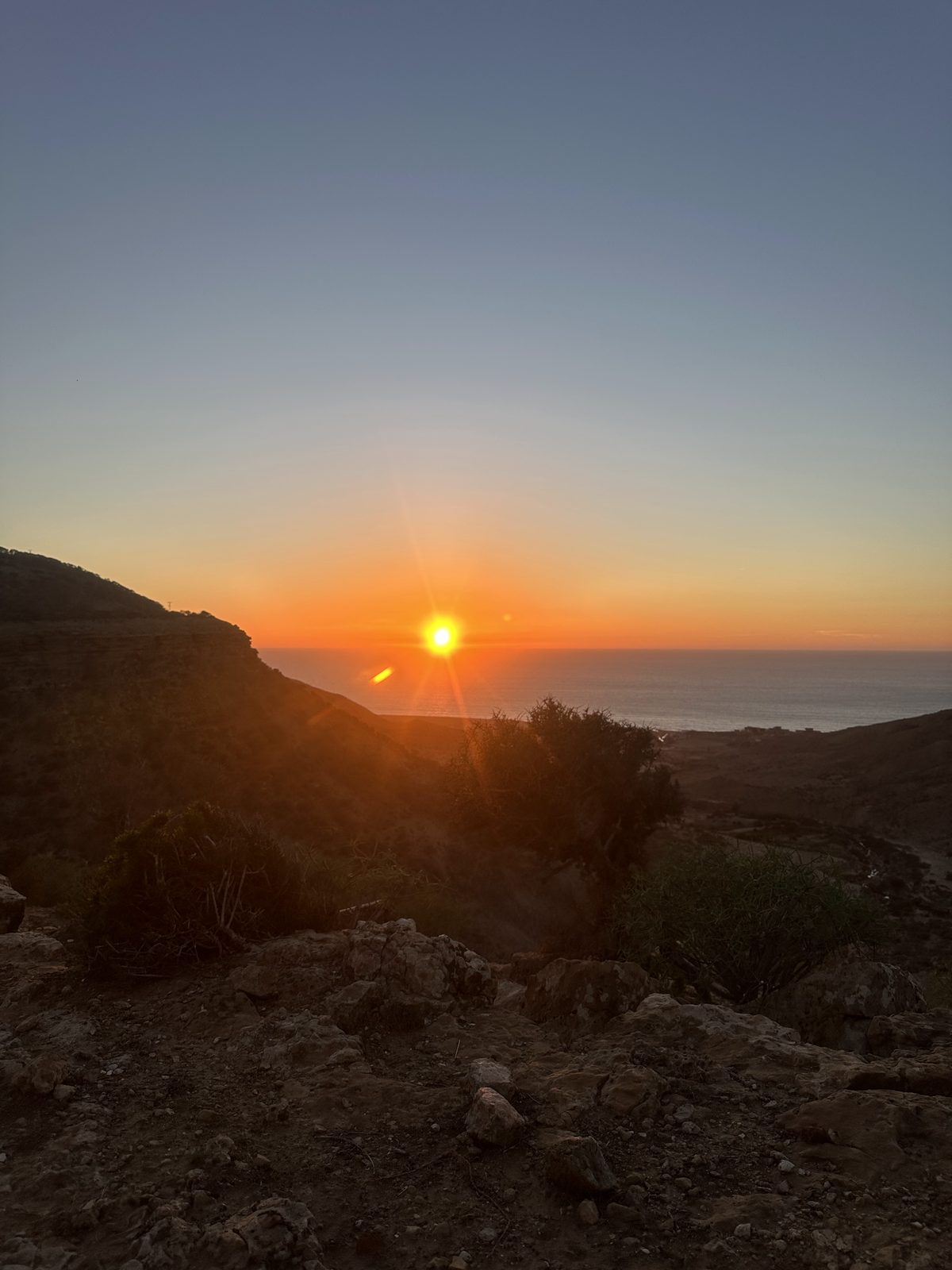
We travelled from 19 September to 6 October 2024 – Marrakech, Essaouira and the surf village of Imsouane. Marrakech was still properly warm, the Atlantic wind was blowing on the coast, and in the water at Imsouane a wetsuit made sense. That contrast between inland and coast is the single most important key to choosing when to go.
Here is the best time to visit Morocco month by month – with real climate data instead of gut feeling, the key festivals, Ramadan, the planning traps and the official, cheaper ways to book.
“When is the weather good in Morocco?” can’t be answered with one month, because the country has four very different faces:
These are long-term averages (1991–2020) from weather stations, compiled from the climate tables on Wikipedia. They show averages – individual days can be much hotter or colder.
| Month | Marrakech max/min | Fes max | Essaouira max | Agadir max | Ouarzazate max/min |
|---|---|---|---|---|---|
| January | 19 / 6 °C | 16 °C | 18 °C | 21 °C | 17 / 2 °C |
| February | 21 / 8 °C | 17 °C | 19 °C | 22 °C | 19 / 5 °C |
| March | 24 / 10 °C | 20 °C | 19 °C | 23 °C | 23 / 8 °C |
| April | 26 / 12 °C | 22 °C | 20 °C | 23 °C | 27 / 12 °C |
| May | 29 / 15 °C | 26 °C | 21 °C | 24 °C | 31 / 16 °C |
| June | 34 / 18 °C | 31 °C | 21 °C | 26 °C | 36 / 20 °C |
| July | 38 / 21 °C | 35 °C | 22 °C | 27 °C | 39 / 23 °C |
| August | 37 / 21 °C | 35 °C | 22 °C | 27 °C | 38 / 22 °C |
| September | 33 / 19 °C | 30 °C | 23 °C | 26 °C | 33 / 18 °C |
| October | 29 / 16 °C | 26 °C | 22 °C | 26 °C | 28 / 13 °C |
| November | 23 / 11 °C | 20 °C | 21 °C | 24 °C | 22 / 7 °C |
| December | 20 / 7 °C | 17 °C | 19 °C | 22 °C | 18 / 3 °C |
What the table tells you: Marrakech averages only around 29 rainy days a year, while Fes gets roughly twice as much rain. And in Ouarzazate, the gateway to the desert, temperatures below minus 5 °C have been recorded – a winter night in a desert camp without a warm sleeping bag isn’t an adventure, it’s an endurance test.
| What you’re planning | Best months | Why |
|---|---|---|
| Imperial cities + desert round trip | Mar–May, mid-Sep–Nov | Warm days, bearable nights, little rain in Marrakech |
| City break in Marrakech | Oct–Apr | Comfortable for walking the medina; summer is very hot |
| Desert (Merzouga, Zagora) | Oct–Apr | Pleasant by day; very cold nights Dec–Feb |
| Surfing (Imsouane, Taghazout) | Autumn to spring | Atlantic swell; a wetsuit makes sense all year |
| Kite and windsurfing in Essaouira | Spring and summer | Often strong wind on the coast |
| Hiking in the High Atlas | May–Jun, Sep–Oct | Snow-free, not too hot |
| Summer holiday | Jun–Aug on the coast | Essaouira and Agadir stay pleasant while the interior bakes |
For many, the most beautiful time. After the winter rain the country is green, the orange trees blossom in Marrakech, and days get warm without scorching. In May, the Dades Valley near Kelaat M’Gouna celebrates the rose harvest with a festival. In March it can still rain in Fes and the north, and snow often lingers at altitude in the Atlas. Easter and long European weekends are popular – book medina riads early.
Inland it gets hot: Marrakech averages 38 °C in July, Ouarzazate 39 °C, the desert even more. Sightseeing only early in the morning and in the evening, with a midday siesta in a riad with a pool. The Atlantic coast is the escape – Essaouira averages 22 °C because the wind cools it. In June, Essaouira hosts the Gnaoua Festival: music all over town, but also full guesthouses and higher prices. Dates are published every year at festival-gnaoua.net.
Our own travel season, and for us the perfect one. In September Marrakech is still warm (33 °C on average); from October it’s pleasant. The sea is at its warmest after summer, the waves get stronger, and the desert becomes bearable again. In late November and early December the Marrakech International Film Festival takes place – hotels fill up faster then too.
Lots of sun, few crowds – but don’t underestimate the cold. Marrakech averages around 19–21 °C by day but only 6–8 °C at night, and many riads have no central heating. It snows in the High Atlas, and the Oukaïmeden ski area south of Marrakech operates. Desert nights are frosty – only book a camp that offers warm blankets or heating. For Agadir and the south coast, winter is ideal: around 21–22 °C, sunshine, hardly any rain.
Ramadan moves forward about eleven days each year. For 2027, astronomical projections expect it to begin around 8 February 2027; Morocco’s Ministry of Religious Affairs sets the official date only after the moon sighting. Travelling during Ramadan is possible and can be very special – the atmosphere at the evening breaking of the fast is unique. But some restaurants close during the day, opening hours change, and you should avoid eating, drinking or smoking in public out of respect. In tourist areas, hotels and many riads things run largely as normal.
To be honest: we don’t have a Morocco guide yet – we only write and sell what we have experienced and checked ourselves. All Frangipani guides follow the same principle: the official, cheaper website instead of expensive middlemen, the mistakes that cost us money, and the places that are truly worth it. Travel at the wrong time or book tours from a street seller and you quickly pay extra – in our experience, good preparation often saves several hundred euros over a whole trip. Heading north for winter after Morocco? Take a look at our Norway Winter Guide. See all guides
For your Morocco trip
Advertising: partner links – if you book or buy through them, we earn a small commission at no extra cost to you. As an Amazon Associate we earn from qualifying purchases.
Passend dazu:
For round trips, March to May and mid-September to November. Inland it’s warm but not hot, and the desert is comfortable.
On average around 19–21 °C by day and 6–8 °C at night (1991–2020 averages). Nights feel much colder in unheated riads.
Yes, ideally on the Atlantic coast. Essaouira averages 22 °C. Inland and in the desert, July and August are very hot.
October to April. Midsummer is extremely hot; from December to February nights are near freezing, so pack warm layers.
Projections point to a start around 8 February 2027. The official date is set by the Ministry of Religious Affairs after the moon sighting.
The Atlantic stays fresh. Swimming works in summer and autumn; for surfing a wetsuit makes sense almost all year.
Mainly in winter, often into spring at high altitude. The Oukaïmeden ski area south of Marrakech operates then.
In the north and in Fes mainly from October to April. Marrakech is much drier, averaging only around 29 rainy days a year.
Yes, one of the best months: Marrakech averages around 29 °C, the sea is still warm and the desert is pleasant again.
Related: Morocco: Marrakech, Essaouira and Imsouane · Marrakech: things to do · Horse riding on Morocco’s Atlantic coast · Money abroad · Rental car or motorbike · How many countries are there? · All destinations · Frangipani guides
Sources (accessed 30.10.2026): Wikipedia – climate tables for Marrakesh (Menara, 1991–2020), Fez (Fès–Saïs, 1991–2020), Essaouira (1991–2020), Agadir (Inezgane, 1991–2020), Ouarzazate (1991–2020); La Presse (Tunisia), 22.10.2026 – Ramadan 2027: astronomical projections for Morocco; Festival Gnaoua et Musiques du Monde (festival-gnaoua.net); Wikipedia – Marrakech International Film Festival. Own experience: Morocco trip 19.09.–06.10.2024 (Marrakech, Essaouira, Imsouane).
Bangkok rainy season May–October: wettest month September (336 mm), usually 1–2 h of afternoon rain. Climate table, day plan, transport, den…

Coatis (quatis) at Iguazu Falls: why they bite, the official park rules, what to do after a bite, which other animals you will see (toucans,…
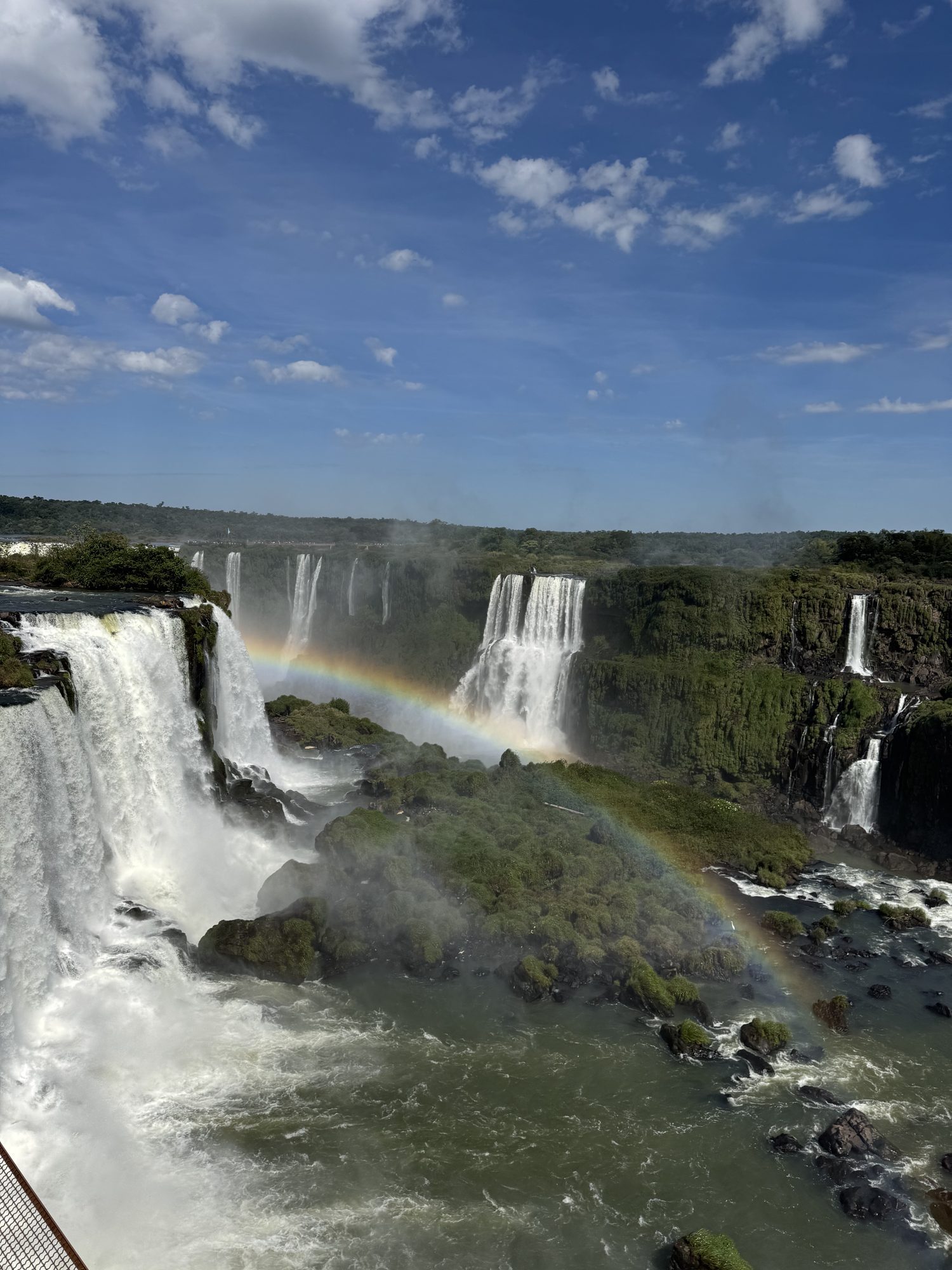
The Iguazu Falls from the Brazil side: current prices from official sources, cheap access by bus 120, best time, extras and the traps that c…
We only use what is necessary to run this website. Everything else – such as statistics or content from third parties – only with your consent. You can change your choice at any time.