
Travel tips
Bangkok in the Rainy Season: Months, Day Plan, Prices – What Really Happens
Bangkok rainy season May–October: wettest month September (336 mm), usually 1–2 h of afternoon rain. Climate table, day plan, transport, den…
Short answer: The coatis (Portuguese: quatis) at Iguazu Falls are wild, cheeky and dangerous as soon as food is involved: they climb onto tables, tug at backpacks and bite or scratch when they smell something. The park rules are clear – don’t feed them, keep your distance, stay on the trails, take your rubbish with you. Eat only in the restaurant area and keep your bag zipped. In return, with a little patience you will see toucans, capuchin monkeys, caimans, butterflies and the swifts that fly straight through the wall of water. Last checked: 9 November 2026, sources below.
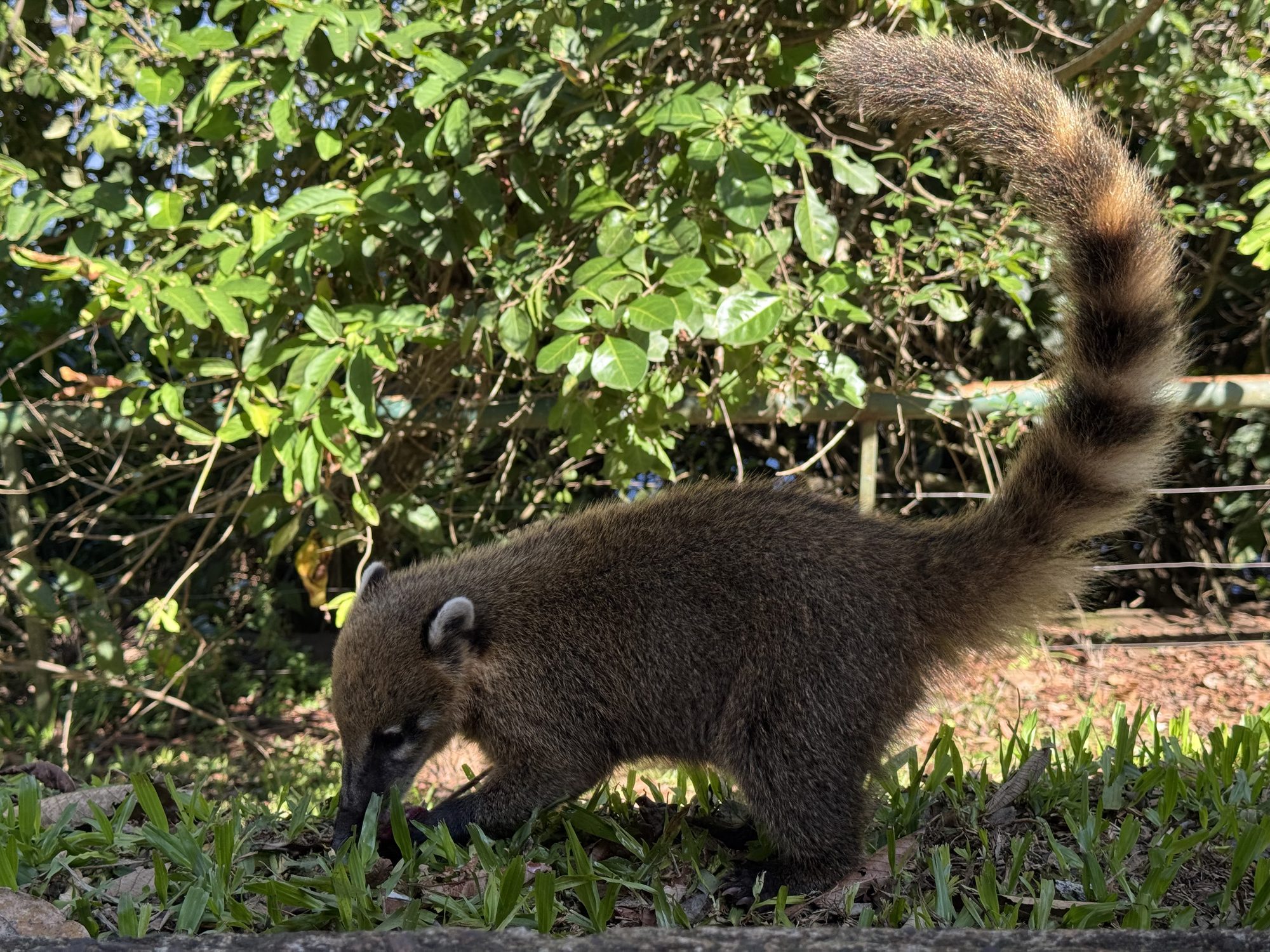
You are standing on the Trilha das Cataratas, the roar of the falls in your ears, the spray cool on your face – and suddenly you feel a tug on your backpack. A coati is standing upright behind you, long snout sniffing, ringed tail held dead straight in the air, and five more are coming over the railing. Ten seconds later the group has moved on, to the family with the biscuit bags. We saw exactly this scene several times in May 2026, and every time people laughed – until a child cried because the bag was gone and a finger was bleeding.
In this article: what coatis actually are and why they became so bold at the falls, the park’s official rules, what to do after a bite, which other animals you will see (and where), the bird park across the road, prices, opening hours, getting there and entry rules – with a checklist and FAQ. If you don’t know our main article on the Brazilian side yet: Iguazu Falls Brazil side: tickets, getting there, tips.
The South American coati (Nasua nasua) is a small member of the raccoon family: a body of 40 to 70 centimetres plus an almost equally long ringed tail, held upright when walking so the group stays together in tall grass. Females and young live in bands that in the park often number 20 animals or more; males roam alone. Coatis are omnivores – fruit, insects, eggs, small animals – and they turn over the forest floor with their flexible snouts. In intact forest they are important seed dispersers.
At the falls their menu has changed. Hundreds of thousands of visitors with crisps, biscuits and pastéis have taught the quatis that people mean food. As early as 2012 the newspaper Gazeta do Povo reported that a tourist was bitten in the park roughly every three days; park biologist Pedro Fogaça described animals that become aggressive and obese through feeding, develop diabetes and digestive problems and swallow plastic wrappers. Signs have stood along the trails, at rest stops and in the visitor centre ever since – and still someone always holds out a piece of bread. Why that harms more than the animal, and can land you in the first-aid station, is in the next section.
The operator’s site cataratasdoiguacu.com.br keeps the code of conduct short (as of 09/2025): do not feed the animals and watch them from a distance; be careful with the quatis while eating, because they are used to people and will approach; stay on the marked trails, no shortcuts; take rubbish with you or use the bins; keep quiet; leave plants, rocks, fruit and seeds in the park; no pets allowed. The page lists no fines – you pay the price differently: with a bite, or with an animal that in a few years can no longer survive without visitors.
| Rule | Why | How to follow it |
|---|---|---|
| Don’t feed | Animals become aggressive, sick and dependent | No food in your hand on the trail; drop nothing |
| Keep your distance | Bites and scratches, especially from females with young | No petting, no luring for a selfie, children by the hand |
| Bag zipped | Coatis open zips and pull at bags | Snacks packed deep, bag worn in front, never set down |
| Eat only in the restaurant area | Staff and bins are there | Skip the picnic on the walkway or the stairs |
| Stay on the trails | Protects animals, plants – and you (caimans on the banks) | No photo stops in the undergrowth |
| Take your rubbish | Plastic ends up in the animals’ stomachs | Small rubbish bag in your backpack |
It sounds strict but is simple: the falls are why you are here, not lunch. Know the rules and you end up with the better photos – because at a distance the animals behave naturally.
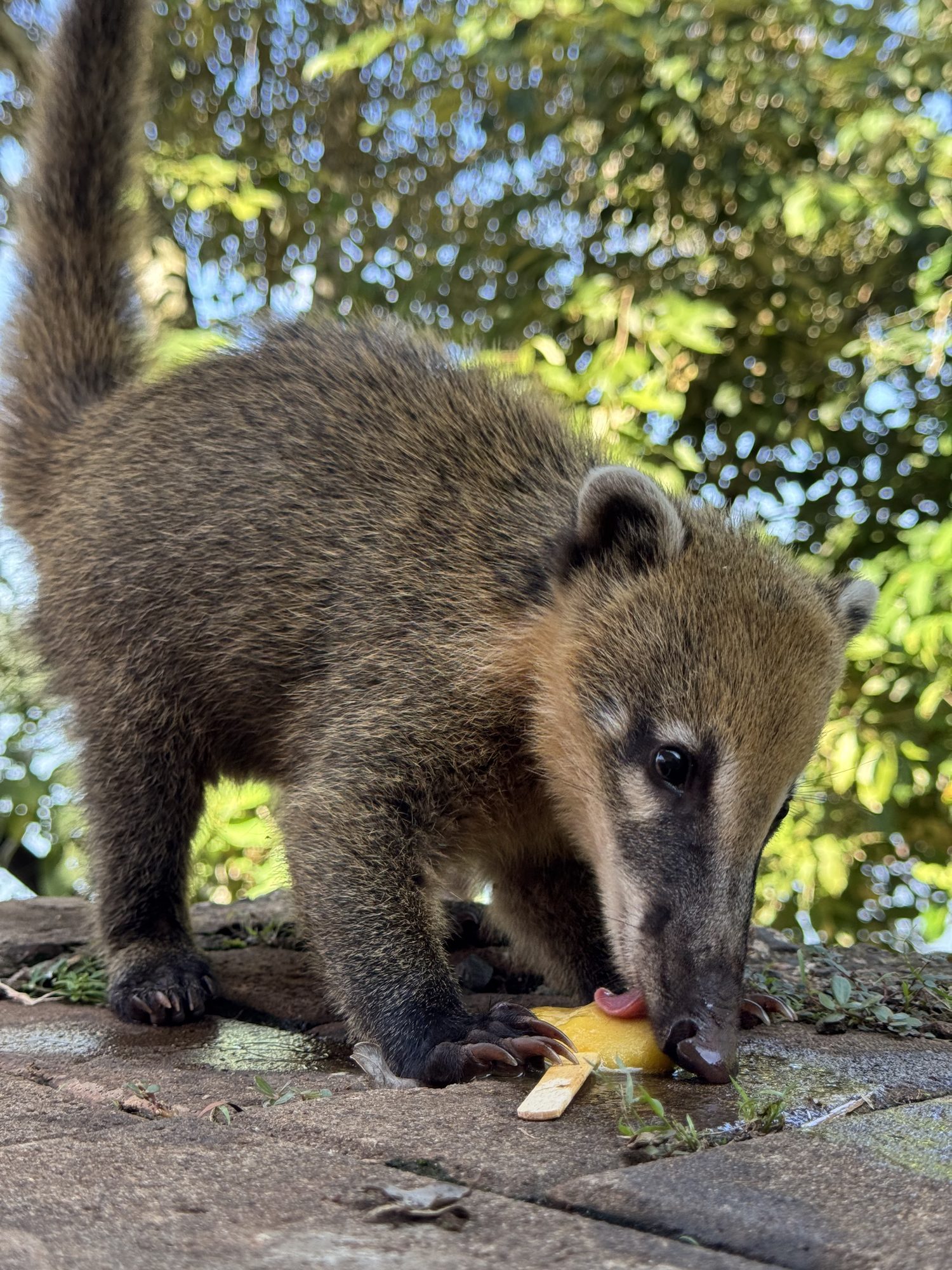
According to the Gazeta do Povo report, at least 80 percent of incidents were scratches and most of those affected were children – often encouraged by their parents to feed the animals. Incidents cluster when the females have young, i.e. from November onwards, which is also the fruit season. Bitten visitors went to the park’s first-aid post: wound cleaning, rabies prophylaxis. Those figures are from 2012 and the park has invested heavily in awareness since; the principle is unchanged.
In practice: rinse the wound immediately with plenty of water and soap, find the first-aid station in the park (ask staff at the bus stops), then see a clinic or pharmacy in Foz do Iguaçu about tetanus and rabies protection – coatis are wild animals, not pets. Your travel health insurance must cover this; we travel with SafetyWing (affiliate link, check the conditions before buying). And please: no revenge on the animal, no kicking – it did what years of feeding taught it.
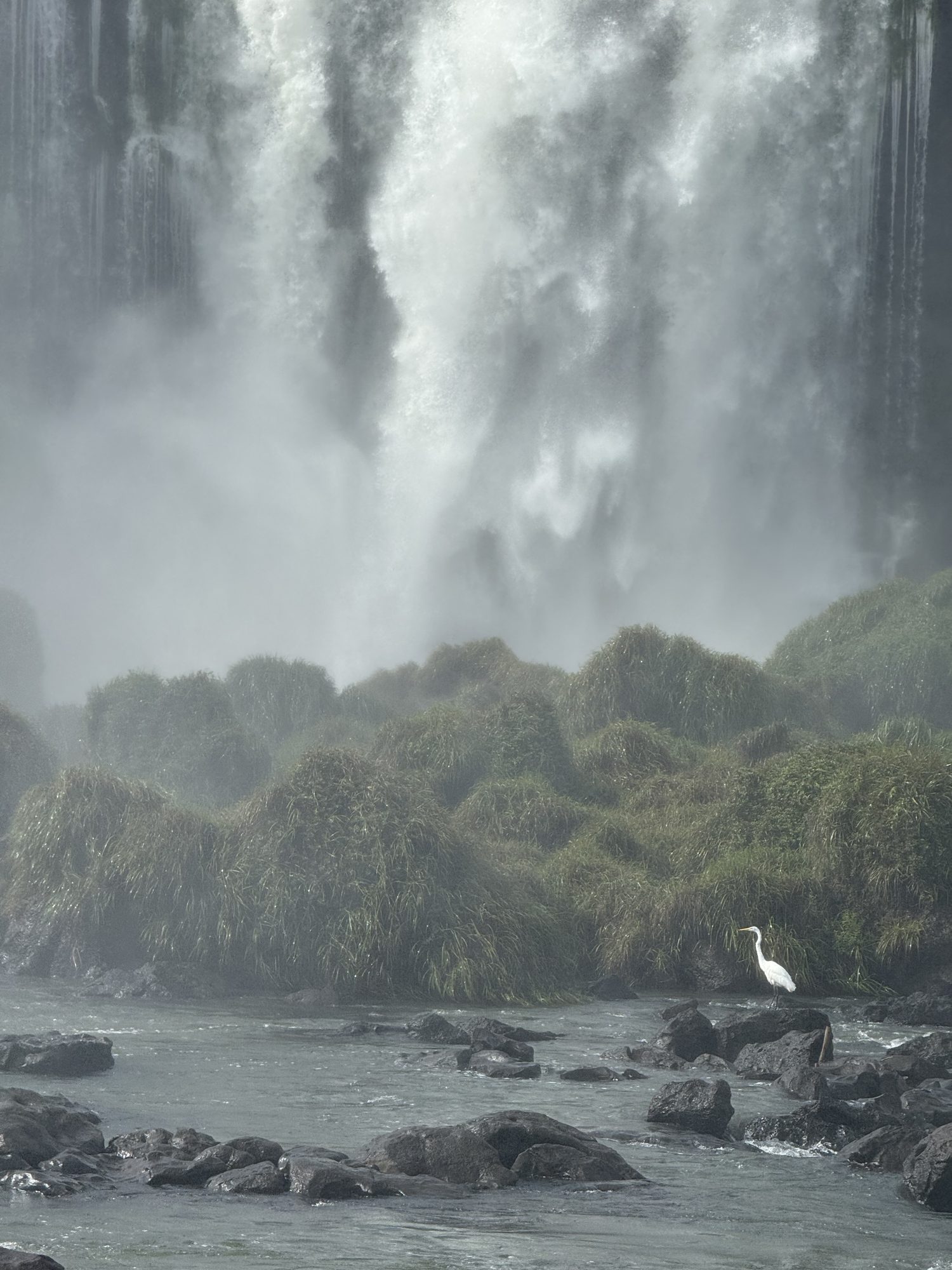
Iguaçu National Park covers a good 185,000 hectares, one of the largest remnants of the Atlantic Forest, and has been a UNESCO World Heritage Site since 1986. As a day visitor you see only a tiny corner – but one where a surprising amount happens if you stop and wait.
| Animal | Where in the park | Best time | Tip |
|---|---|---|---|
| Coati (quati) | Trilha das Cataratas, rest stops, Porto Canoas restaurant | All day | Photograph yes, lure no |
| Great dusky swift (andorinhão) | Right at the falls – they nest behind the curtain of water | Late afternoon, when they fly in | The park’s emblem; watch from the Garganta do Diabo walkway |
| Toucans | Treetops along the trail, early morning | Morning, at opening | Listen for the knocking, look for the yellow bill |
| Capuchin monkeys | Forest sections of the trail, at the park-bus stops | Morning | Same rule as for coatis: give nothing |
| Caimans (jacaré) | Quiet banks of the Rio Iguaçu above the falls | Sunny hours | From the trail only, never down to the bank |
| Butterflies | Everywhere, especially on damp parts of the trail | Midday, sun | They land on skin – salty fingers |
| Jaguar | Deep in the park, “Onças do Iguaçu” project | Practically never as a visitor | Look at the camera-trap pictures in the visitor centre |
Our tip: walk the trail twice. Once early at opening, when the birds are active and the quatis are still full from their night’s foraging; once in the late afternoon, when the light paints rainbows into the spray and the swifts fly into the falls by the hundreds. In between – ten minutes from the entrance – is the place where you are guaranteed to see the birds.
Directly opposite the visitor centre is the private bird park Parque das Aves, which specialises in Atlantic Forest species and acts as a rescue centre for confiscated animals. You walk through walk-in aviaries with toucans, macaws and flamingos without any animal fighting for your biscuit – the same feeding ban applies here. In 2025 more than 895,000 people visited according to the local press, almost 103,000 in January 2026 alone; it is open daily from 8:30 am to 5 pm (as of 02/2026, check seasonal hours and buy tickets only at parquedasaves.com.br). Ideal for the late afternoon after the falls or as plan B in steady rain.
What takes patience and luck across the road is a certainty here: a toucan at eye level. For families with small children this is often the more relaxed part of the day – more on our rhythm with kids on the road in Travelling with kids: our best tips.
The Brazilian side sells tickets officially only via cataratasdoiguacu.com.br, with a date and time slot. Since 19 December 2025 admission costs R$134 for international visitors and R$121 for citizens of Mercosul countries according to the local paper H2FOZ; the park bus to the trails is included. Opening hours per Melhores Destinos (as of 07/2026): Monday to Friday 9 am to 4 pm, Saturday and Sunday from 8:30 am – last entry 4 pm, check the official site the day before.
| Item | Price | Source / as of |
|---|---|---|
| National park admission, international | R$134 | H2FOZ, since 19 Dec 2025 |
| National park admission, Mercosul | R$121 | H2FOZ, since 19 Dec 2025 |
| Children up to 6 | free | Melhores Destinos, 07/2026 |
| Macuco Safari boat trip | from R$384 | Melhores Destinos, 07/2026 |
| Parque das Aves | only at parquedasaves.com.br | open 8:30 am–5 pm, as of 02/2026 |
| City bus line 120, TTU terminal – park | a few reais per ride | travel portals, see main article |
All prices without guarantee; convert the real shortly before your trip, for example in the Wise app – our experience with cards and Pix is in Money abroad. Getting there: Foz do Iguaçu airport (IGU) lies between the city and the park entrance; flights from Europe go via São Paulo or Rio. We usually compare connections on Kiwi.com (advertising/affiliate link – we earn on a booking, you pay no more). From the TTU bus terminal in the centre, line 120 runs directly to the visitor centre.
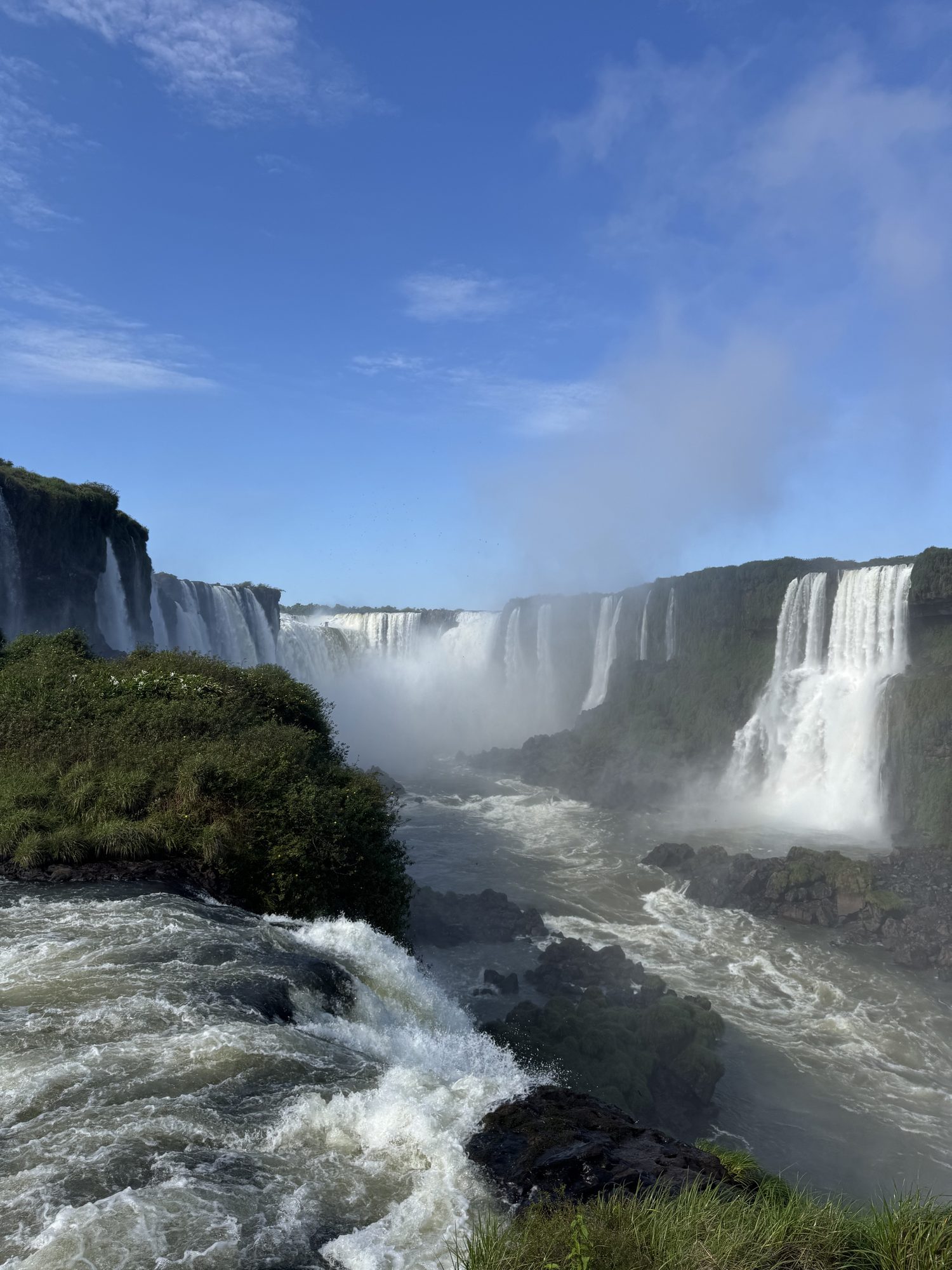
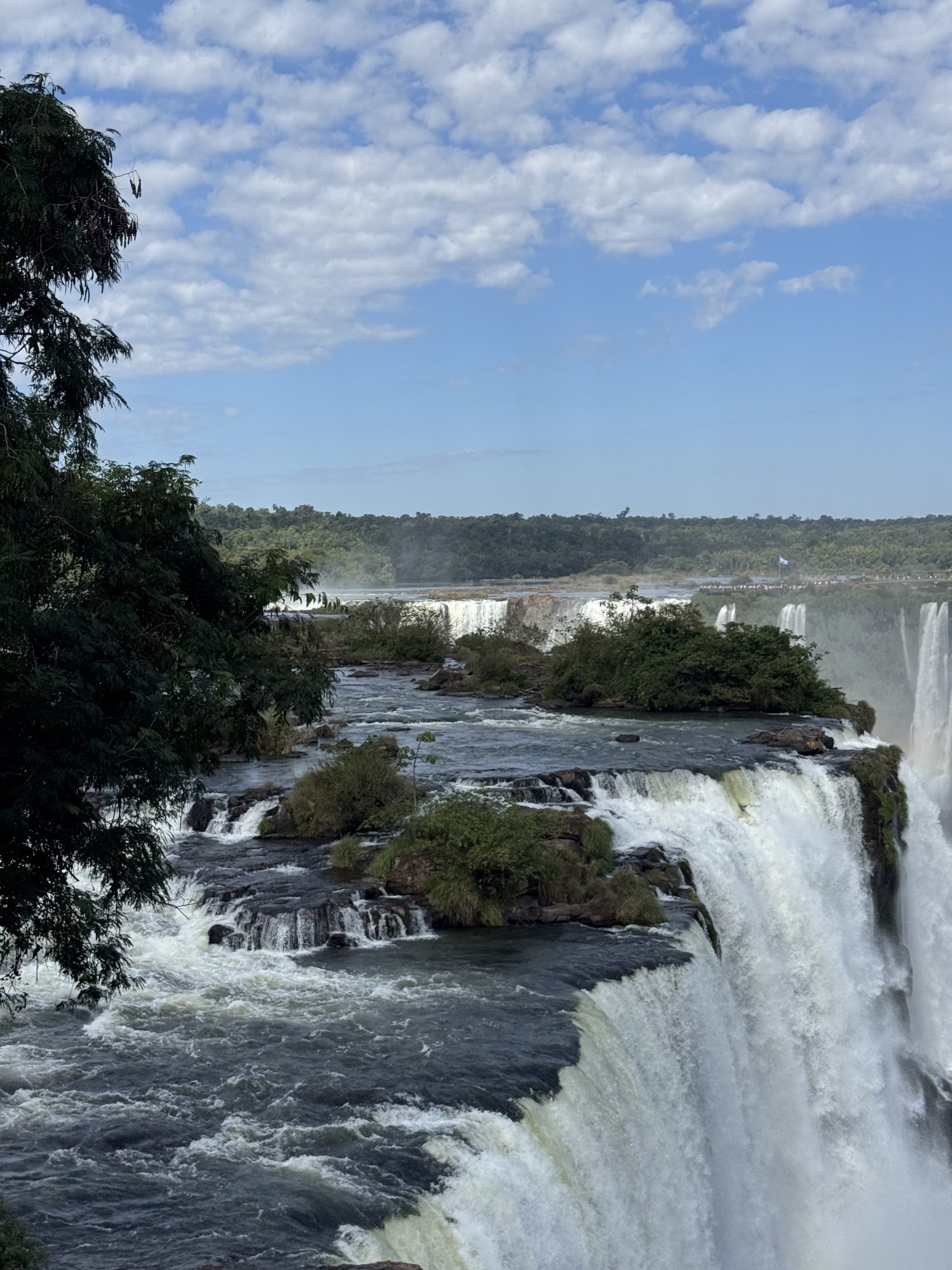
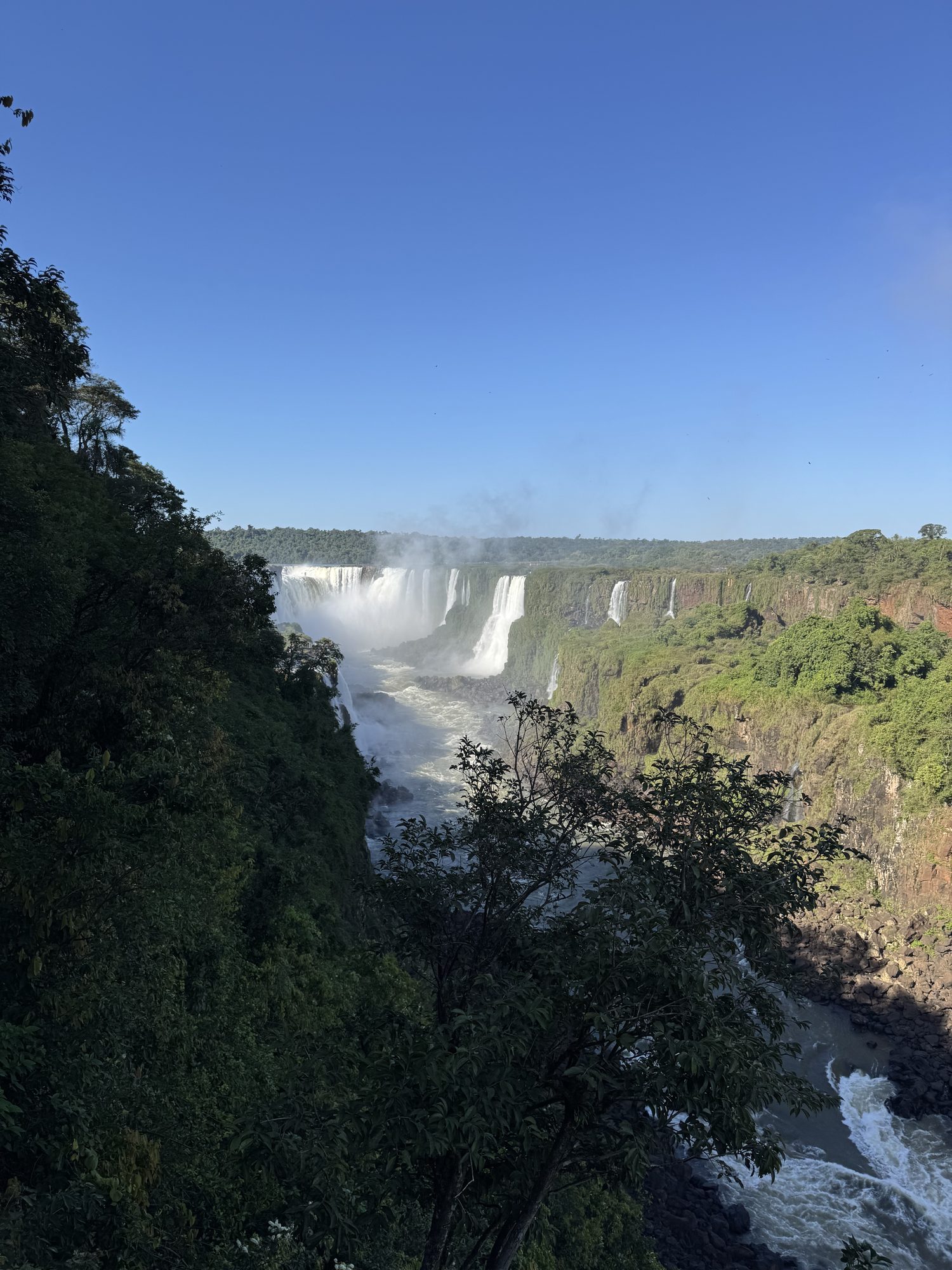
Austrian and most other EU citizens need no visa for Brazil. The passport must be valid for at least six months on entry; a return or onward ticket and proof of sufficient funds may be requested; occasionally the stay is handwritten on the entry stamp as 30 days – so check your stamp (ÖAMTC country information citing the Austrian foreign ministry, as of 9 November 2026). The day trip to the Argentine side is also visa-free for EU citizens, but take your passport. A yellow fever vaccination is recommended for the region – ask a travel clinic in good time.
Warning: Since April 2025 Brazil requires an e-visa from citizens of the USA, Canada and Australia – not from EU citizens. Yet Google still shows sites selling Europeans a “Brazil e-Visa” or “entry authorisation” for €80 to €150. That is not a visa but a form-filling service for something you don’t need at all. Travellers who do need the e-visa apply only through the official portal linked from the Portal Consular. We fell for one of these intermediary sites ourselves at another destination; since then our rule is: government addresses only, gov.br or gv.at. In our guides you will find all official entry links as QR codes.
Not if you keep your distance and carry no food openly. They become dangerous when fed or touched: then they bite and scratch – in 2012, according to Gazeta do Povo, a visitor was injured roughly every three days, mostly children.
No. The park expressly forbids it. Feeding makes the animals sick, aggressive and dependent on visitors.
Rinse the wound thoroughly with water and soap, go to the first-aid station in the park and then have tetanus and rabies protection checked in Foz do Iguaçu. Inform your travel insurer.
With luck toucans, capuchin monkeys, caimans on the banks, many butterflies and, in the late afternoon, the swifts that nest behind the falls. Jaguars live in the park but are practically never seen by visitors.
Yes, especially with children or in the rain: walk-in aviaries with toucans, macaws and flamingos directly opposite the park entrance, open 8:30 am to 5 pm (as of 02/2026).
Since 19 December 2025, R$134 for international visitors and R$121 for Mercosul citizens, children up to six free; tickets only at cataratasdoiguacu.com.br.
If this grabs you: everything on tickets, the walkway and the boat trip is in Iguazu Falls Brazil side, the whole Brazil trip in Brazil – Atins, the Lençóis Maranhenses and Iguaçu, and the dune lagoons of the north-east in the Lençóis Maranhenses guide.
Ad: partner links – if you book through them, we earn a small commission and your price stays the same.
Bangkok rainy season May–October: wettest month September (336 mm), usually 1–2 h of afternoon rain. Climate table, day plan, transport, den…

The best time to visit Morocco month by month – with climate data for Marrakech, Fes, the coast and desert, Ramadan 2027, festivals and typi…
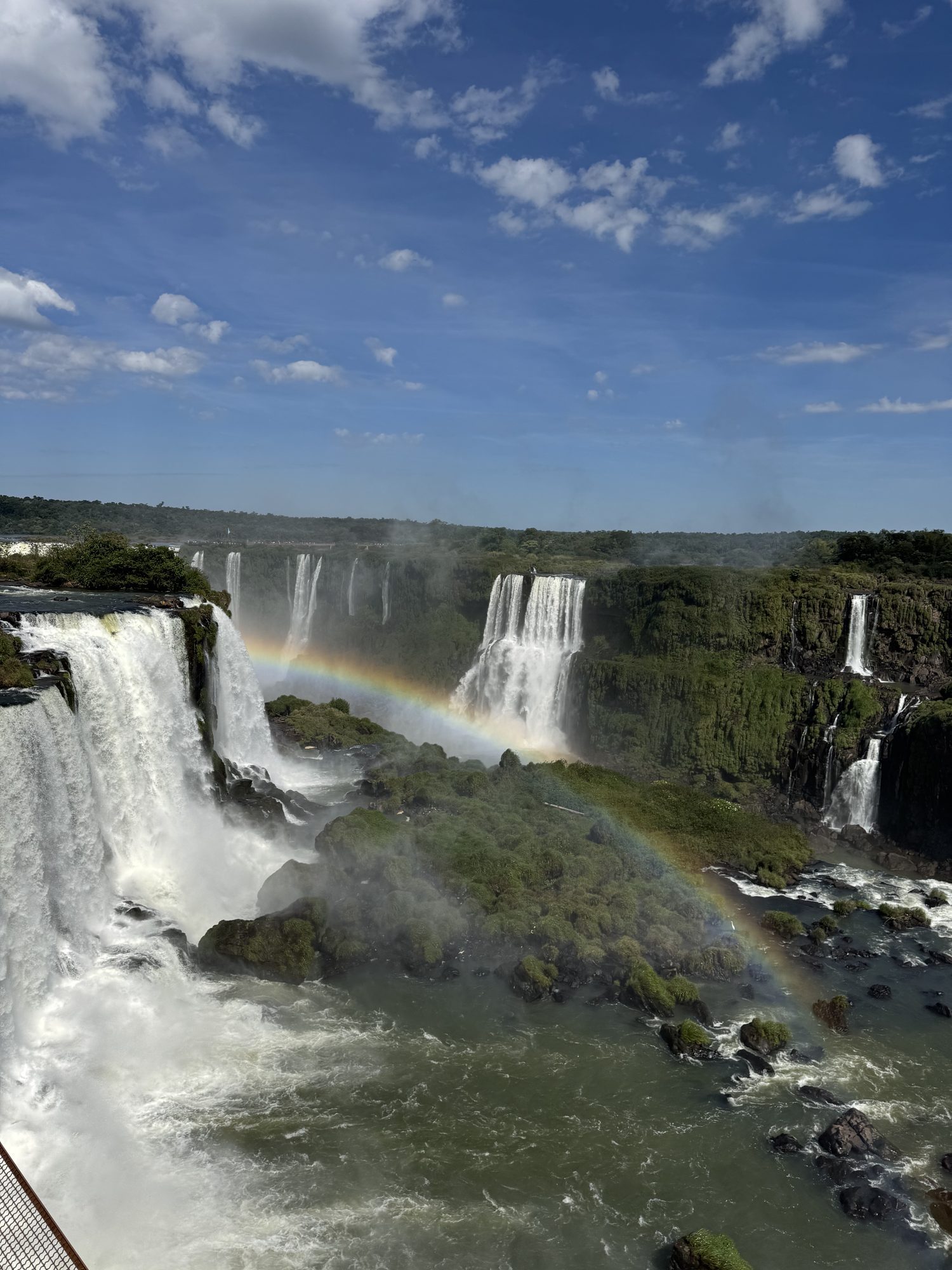
The Iguazu Falls from the Brazil side: current prices from official sources, cheap access by bus 120, best time, extras and the traps that c…
We only use what is necessary to run this website. Everything else – such as statistics or content from third parties – only with your consent. You can change your choice at any time.